

New Product
Pasthil.
Pasthil is a line of herbal lozenges (pastilles) produced by Leda Pharma (Leda İlaç), a pharmaceutical company based in Turkey. These products are primarily used to soothe throat irritation, relieve coughs, and support the immune system. They are generally classified as food supplements rather than prescription medications. Here are the key details about Pasthil products: 1. Common Ingredients Depending on the specific variety, Pasthil lozenges typically contain a combination of: Propolis: Known for its natural antibacterial and antiviral properties. Ginger & Turmeric: Used for their anti-inflammatory effects. Vitamin C: To support the immune system. Menthol/Peppermint: To provide a cooling sensation and open the airways. Honey & Lemon: To coat and soothe a dry or scratchy throat. 2. Popular Variants Leda Pharma usually offers several "flavors" or formulations, such as: Pasthil Ginger & Lemon: Focuses on refreshing the throat and reducing nausea or irritation. Pasthil Propolis: Aimed at stronger immune support and treating more painful throat conditions. Pasthil Orange: Often packed with extra Vitamin C. 3. What is it used for? Sore Throat: Relieving pain and scratchiness. Hoarseness: Helping to clear the voice. Cough Relief: Suppressing the urge to cough by keeping the throat moist. Mouth Hygiene: Refreshing the breath and providing mild antiseptic benefits. 4. How to Use Dosage: Usually, it is recommended to dissolve one lozenge slowly in the mouth every 2–3 hours. Caution: Because they often contain sugar or sweeteners, people with diabetes should check the specific packaging. They are generally not recommended for very young children due to the risk of choking.
Blodegrel
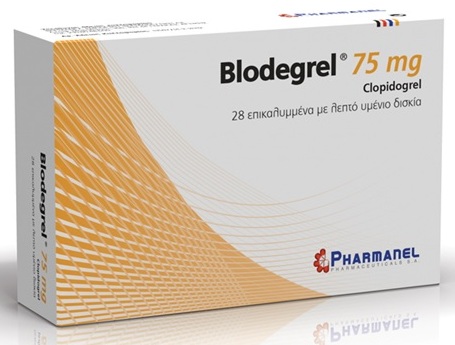
Prevention of atherothrombotic events in: Recent MI, Recent Stroke or Established Peripheral Arterial Disease: For patients with a history of recent myocardial infarction (MI), recent stroke, or established peripheral arterial disease, Blodegrel has been shown to reduce the rate of a combined endpoint of new ischemic stroke (fatal or not), new MI (fatal or not), and other vascular death.
Acute Coronary Syndrome: For patients with non-ST-segment elevation acute coronary syndrome (unstable angina/non-Q-wave MI) including patients who are to be managed medically and those who are to be managed with percutaneous coronary intervention (with or without stent) or coronary artery bypass graft (CABG), Blodegrel has been shown to decrease the rate of a combined endpoint of cardiovascular death, MI or stroke as well as the rate of a combined endpoint of cardiovascular death, MI, stroke or refractory ischemia.
For patients with ST-segment elevation acute MI, Blodegrel has been shown to reduce the rate of death from any cause and the rate of a combined endpoint of death, reinfarction or stroke.
Atrial Fibrillation: In patients with atrial fibrillation (AF) at increased risk of vascular events who can take vitamin K antagonist (VKA) therapy, VKA has been shown to be associated with a better clinical benefit than acetylsalicylic acid (aspirin) alone or the combination of Blodegrel and aspirin for the reduction of stroke.
In patients with atrial fibrillation who have at least 1 risk factor for vascular events and who cannot take VKA therapy [eg, specific risk of bleeding, physician assessment that patient is unable to comply with international normalized ratio (INR) monitoring or that VKA use is inappropriate], Blodegrel is indicated in combination with aspirin for the prevention of atherothrombotic and thromboembolic events, including stroke. Blodegrel in combination with aspirin has been shown to reduce the rate of the combined endpoint of stroke, myocardial infarction (MI), non-CNS systemic embolism, or vascular death, largely through a reduction in stroke.
HOW SHOULD I USE BLODEGREL?
Use Blodegrel as directed by your doctor. Check the label on the medicine for exact dosing instructions.
Take Blodegrel by mouth with or without food.
Take Blodegrel on a regular schedule to get the most benefit from it.
Do not stop taking Blodegrel without talking to your doctor. This may increase the risk of heart problems.
If you miss a dose of Blodegrel, take it as soon as possible. If it is almost time for your next dose, skip the missed dose and go back to your regular dosing schedule. Do not take 2 doses at once.
Ask your health care provider any questions you may have about how to use Blodegrel.
More: https://www.ndrugs.com/?s=blodegrel