
New Product
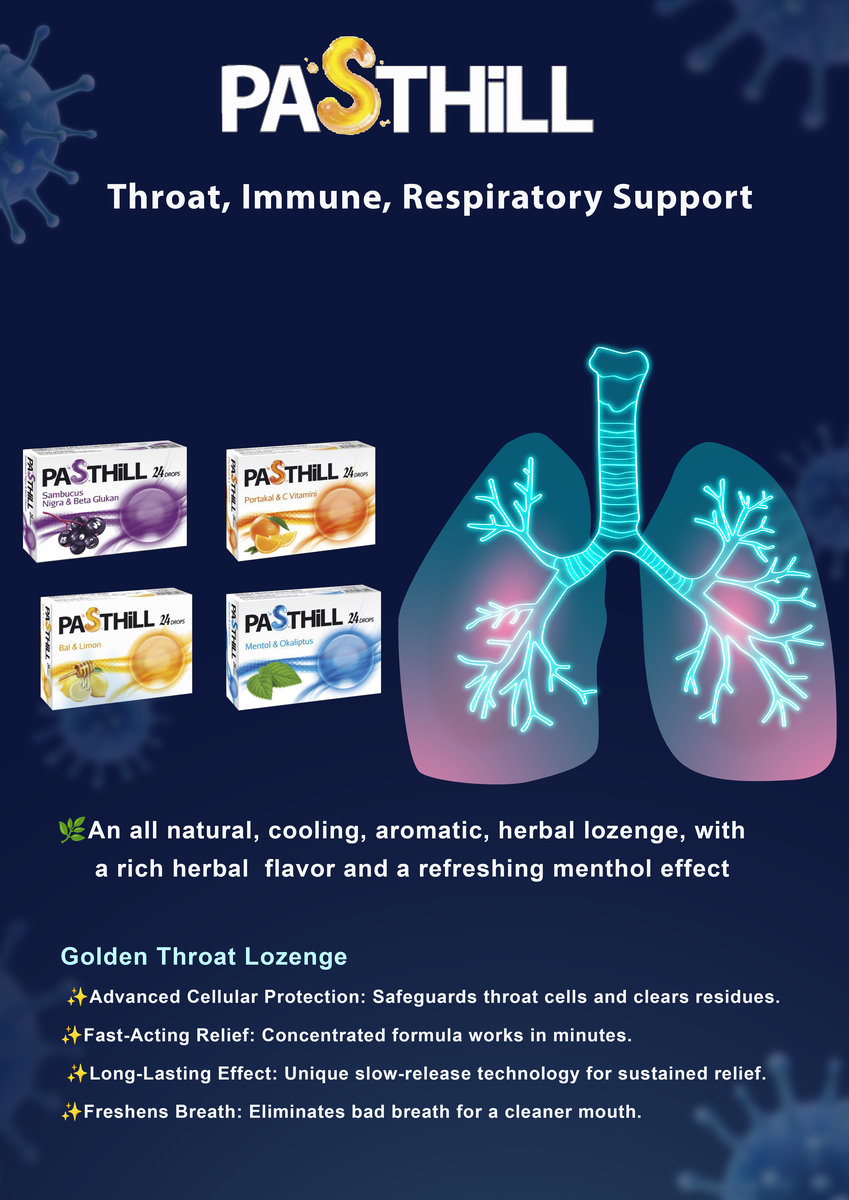
Pasthil.
Pasthil is a line of herbal lozenges (pastilles) produced by Leda Pharma (Leda İlaç), a pharmaceutical company based in Turkey. These products are primarily used to soothe throat irritation, relieve coughs, and support the immune system. They are generally classified as food supplements rather than prescription medications. Here are the key details about Pasthil products: 1. Common Ingredients Depending on the specific variety, Pasthil lozenges typically contain a combination of: Propolis: Known for its natural antibacterial and antiviral properties. Ginger & Turmeric: Used for their anti-inflammatory effects. Vitamin C: To support the immune system. Menthol/Peppermint: To provide a cooling sensation and open the airways. Honey & Lemon: To coat and soothe a dry or scratchy throat. 2. Popular Variants Leda Pharma usually offers several "flavors" or formulations, such as: Pasthil Ginger & Lemon: Focuses on refreshing the throat and reducing nausea or irritation. Pasthil Propolis: Aimed at stronger immune support and treating more painful throat conditions. Pasthil Orange: Often packed with extra Vitamin C. 3. What is it used for? Sore Throat: Relieving pain and scratchiness. Hoarseness: Helping to clear the voice. Cough Relief: Suppressing the urge to cough by keeping the throat moist. Mouth Hygiene: Refreshing the breath and providing mild antiseptic benefits. 4. How to Use Dosage: Usually, it is recommended to dissolve one lozenge slowly in the mouth every 2–3 hours. Caution: Because they often contain sugar or sweeteners, people with diabetes should check the specific packaging. They are generally not recommended for very young children due to the risk of choking.
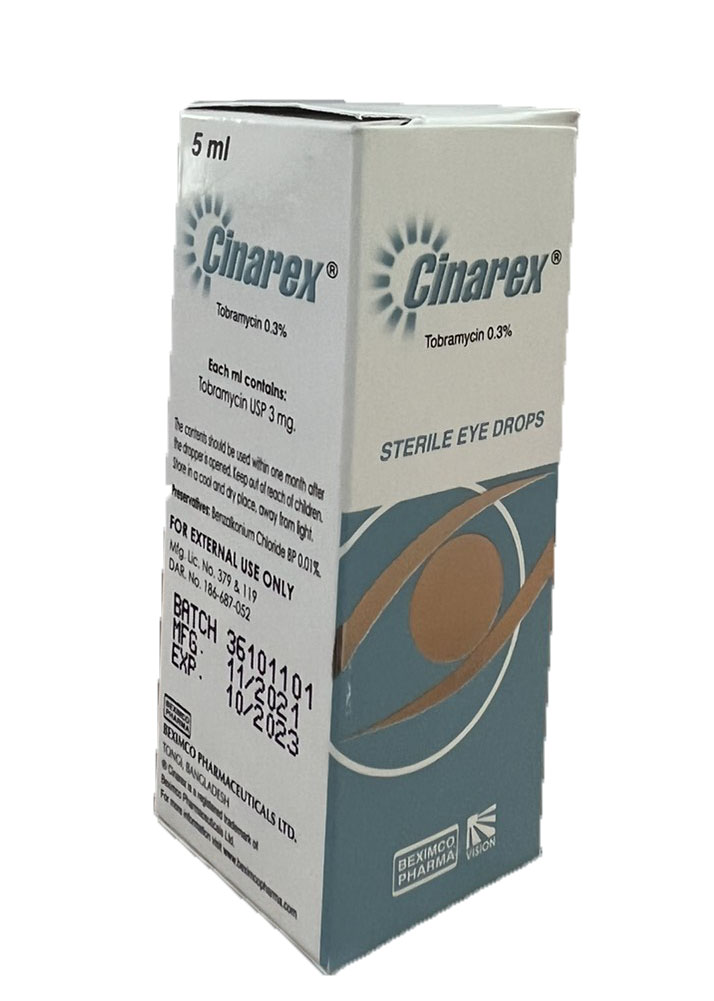
Cinarex® (Tobramycin 0.3%) Eye Drop (5ml)
Generic
Tobramycin
Indications
Tobramycin eye drops is indicated for thetreatment of external infections of the eye and its appendages such as bacterial conjunctivitis, keratitis, corneal ulcer caused by susceptible bacteria.
Pharmacology
Tobramycin's bactericidal action is taken up into susceptible bacterial cells via an active transport pathway, similar to other aminoglycosides. Tobramycin binds to the 30s and, to a lesser extent, the 50s subunits of the bacterial ribosome within the cell, blocking protein synthesis and causing transcription mistakes. Cell death is poorly understood, and other mechanisms, such as changes in membrane permeability, may play a role.
Dosage & Administration
In mild to moderate infection, instill 1 drop 4-6 times daily into the conjunctival sac(s). In severe cases of infection, instill 1 drop hourly until improvement is obtained, then reduce the dose gradually. Duration of treatment is 5-15 days. Children: Clinical studies have shown Tobramycin ophthalmic preparation to be safe and effective for use in children.
Interaction
Specific drug interaction studies on Tobramycin ophthalmic preparation have not been established.
Contraindications
In patients with known hypersensitivity to any component of the product. Partial crossallergenicity to other aminoglycosides has been established.
Side Effects
The most frequent adverse reactions to Tobramycin are localized ocular toxicity and hypersensitivity, including lid itching and swelling and conjunctival erythema. These reactions occur in less than 3% of patients treated.
Pregnancy & Lactation
Pregnancy Classification B. In pregnant women, there are no sufficient and well-controlled trials. Only use this medication during pregnancy if the potential advantages outweigh the danger to the fetus. It is possible that the drug will be excreted in human milk. It must be decided whether to stop nursing or to take the medication.
Precautions & Warnings
As with other anti-infective, prolonged use mayresult in overgrowth of non-susceptibleorganisms, including fungi. If super-infection occurs, discontinue use and institute alternative therapy. Patients should be advised not to wear contact lenses if they have signs and symptoms of bacterial conjunctivitis.
Therapeutic Class
Ophthalmic antibacterial drugs